

 +91 8080803848


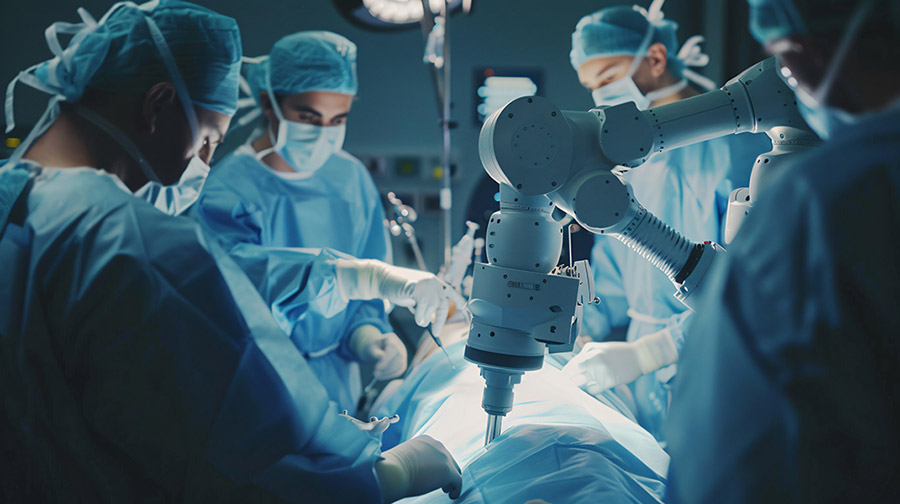
Modern healthcare is moving towards treatments that are more precise, minimally invasive and focused on helping patients return to their normal lives sooner. From computer-assisted joint replacement to advanced diagnostic and therapeutic endoscopic procedures, medical technology has changed how several complex conditions can be evaluated and treated.
For patients looking for advanced medical treatment in Mumbai, the important question is not simply whether a hospital has advanced technology. The quality of treatment also depends on experienced specialists, appropriate patient selection, accurate diagnosis, modern infrastructure, rehabilitation and personalised care.
Two areas where these developments have made a significant difference are robotic joint replacement for knee and hip problems and advanced gastroenterology for digestive, liver, biliary and gastrointestinal conditions.
These departments are integrated into the comprehensive multispeciality framework at Sushrut Hospital & Research Centre, providing patients with the convenience of expert consultations, advanced diagnostics, and medical treatments all in a single location.
How Medical Technology Is Changing Patient Care
Technology in medicine is most valuable when it supports clinical decision-making rather than replacing the expertise of a doctor.
In orthopaedics, robotic-assisted systems can help surgeons plan joint replacement procedures using detailed three-dimensional information about the patient's anatomy. In gastroenterology, high-definition imaging, endoscopic ultrasound and therapeutic endoscopic techniques can help doctors diagnose and manage conditions that previously required more invasive approaches.
The objective in both fields is similar:
- Improve diagnostic accuracy
- Help doctors plan personalised treatment
- Minimise unnecessary tissue damage where appropriate
- Support safer and more controlled procedures
- Encourage earlier mobilisation or recovery when clinically suitable
- Reduce the need for more invasive surgery in selected cases
- Improve long-term functional outcomes
However, advanced technology should always be considered alongside the patient's condition, age, medical history, anatomy and treatment goals.
Robotic Knee Replacement: Precision in Joint Surgery
Severe knee arthritis can gradually affect walking, climbing stairs, exercising and everyday activities. When pain and stiffness become significant and conservative treatment no longer provides adequate relief, knee replacement may be considered.
Robotic knee replacement surgery is an advanced approach in which robotic-assisted technology helps the surgeon plan and execute the procedure with greater precision. For patients evaluating robotic knee surgery, the process begins long before entering the operating room.
Before surgery, the patient's knee anatomy is assessed and a detailed surgical plan can be created. During the procedure, the technology assists the surgeon in achieving the planned bone preparation, implant positioning and alignment.
The surgical robot cannot execute the procedure on its own. The surgeon remains responsible for the procedure and uses the technology as a precision tool. Leading this transition at Sushrut Hospital is Dr. Vaibhav Kasodekar, an expert Orthopaedic & Robotic Joint Replacement Surgeon known for his precision and patient-first approach.
Potential advantages of robotic-assisted knee replacement
Depending on the patient's condition and the surgical approach, robotic assistance may help with:
- More precise pre-operative planning
- Accurate implant positioning
- Better assessment of alignment
- Controlled bone preparation
- Individualised surgical planning
- Preservation of healthy structures where clinically appropriate
- Potentially improved functional recovery
A key feature of joint replacement at the hospital is the use of minimally invasive techniques, including the sub-vastus and mid-vastus approaches. These muscle-sparing methods avoid cutting major thigh muscles, leading to less blood loss, reduced pain, and faster functional recovery. As a result of early mobilisation protocols, many patients are encouraged to stand and walk within 24 hours after surgery.
The actual outcome depends on several factors, including surgical expertise, the patient's overall health, rehabilitation and adherence to post-operative instructions.
Is Partial Knee Replacement an Alternative to Total Replacement?
Not every patient with knee arthritis necessarily requires a total knee replacement.
In carefully selected patients whose arthritis is limited primarily to one compartment of the knee and who have suitable ligament function and anatomy, partial knee replacement surgery robotic options may be considered.
The major difference is that partial replacement addresses the damaged portion of the knee while preserving other healthy compartments.
Potential benefits for suitable patients may include:
- Smaller surgical intervention
- Preservation of more natural knee structures
- Potentially faster rehabilitation
- More natural knee movement in selected cases
- Earlier return to certain daily activities
However, partial replacement is not appropriate for everyone. When extensive damage affects multiple compartments of the joint, robotic total knee replacement surgery may be recommended instead. The extent of arthritis, ligament condition, alignment, age, activity level, and other clinical factors must be evaluated before choosing between partial and total replacement.
This is why the decision should be based on a detailed orthopaedic assessment rather than simply choosing the newest technology.
Robotic Hip Replacement and Modern Joint Reconstruction
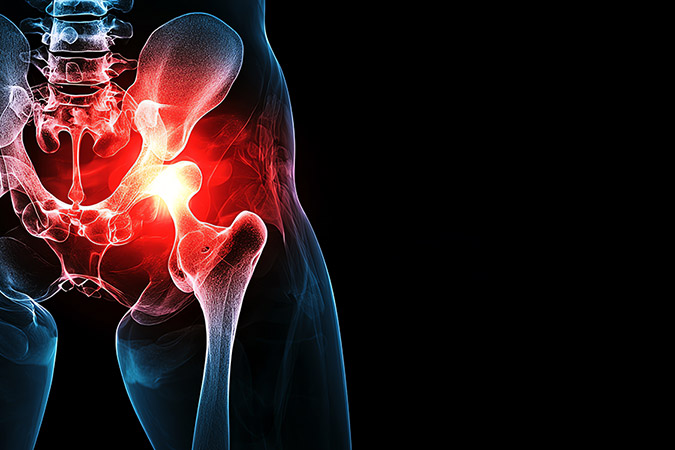
Hip arthritis can cause persistent groin or thigh pain, stiffness and difficulty performing routine activities. In advanced cases, robotic hip replacement can be considered when conservative treatments no longer provide sufficient relief.
Modern hip replacement focuses on accurate implant positioning, restoration of appropriate hip mechanics, and preservation of surrounding tissues where possible.
Robotic-assisted planning may help surgeons assess factors such as:
- Implant positioning
- Leg-length considerations
- Hip biomechanics
- Component orientation
- Patient-specific anatomy
The objective is to create a stable and functional hip that allows the patient to progressively return to normal activities.
For people researching hip replacement in Mumbai, it is important to evaluate more than the availability of robotic equipment. The surgeon's experience, surgical planning, rehabilitation programme, hospital infrastructure and post-operative support are equally important.
Knee and Hip Replacement in Mumbai: What Should Patients Consider?
Patients considering knee replacement in Mumbai or hip replacement should first undergo a proper clinical evaluation.
Treatment may involve non-surgical options such as medication, physiotherapy, weight management, activity modification or injections depending on the diagnosis.
When surgery becomes necessary, the surgeon may discuss different approaches based on the patient's anatomy and disease severity.
Important questions to discuss during consultation include:
- Is joint replacement actually required?
- Would total or partial replacement be more appropriate?
- Is robotic assistance beneficial for my particular condition?
- What implant options are available?
- What is the expected recovery timeline?
- What physiotherapy will be required?
- What activities can I return to after surgery?
The goal of joint replacement surgery should be to relieve pain, improve function and help the patient regain independence, not simply to use advanced technology for its own sake.
Advanced Gastroenterology: From Diagnosis to Treatment
Technology has also transformed the management of digestive and gastrointestinal diseases.
Modern advanced gastroenterology combines detailed imaging, endoscopic techniques and specialist expertise to diagnose and treat conditions involving the oesophagus, stomach, intestine, pancreas, bile ducts and liver.
The field has progressed beyond traditional diagnostic endoscopy. Selected patients may now benefit from procedures that can both identify a problem and treat it during the same endoscopic session.
The gastroenterology department at Sushrut Hospital is supported by modern facilities, while the hospital's diagnostic services include endoscopy and ERCP.
What Is Advanced Endoscopy?
Advanced endoscopy includes specialised procedures that go beyond routine visual examination of the gastrointestinal tract.
Depending on the patient's condition, advanced procedures may include:
- Endoscopic ultrasound (EUS)
- Endoscopic retrograde cholangiopancreatography (ERCP)
- Endoscopic mucosal resection (EMR)
- Endoscopic submucosal dissection (ESD)
- POEM (Peroral Endoscopic Myotomy) for scarless treatment of achalasia and swallowing disorders.
- Therapeutic endoscopy
- Endoscopic treatment of gastrointestinal bleeding
- Procedures for selected swallowing disorders
These techniques can sometimes avoid the need for open surgery and may provide a minimally invasive alternative for appropriately selected patients.
Therapeutic Endoscopy: When Diagnosis and Treatment Come Together
Traditional endoscopy is commonly associated with examining the gastrointestinal tract and identifying abnormalities. However, modern therapeutic endoscopy can also be used to treat several conditions.
Depending on the diagnosis, endoscopic treatment may be used for:
- Removal of selected polyps
- Treatment of certain early gastrointestinal lesions
- Control of gastrointestinal bleeding
- Management of some bile duct problems
- Removal of selected bile duct stones
- Treatment of certain swallowing disorders
- Management of specific abnormalities identified during endoscopic evaluation
For example, ERCP can be used in appropriate cases to diagnose and treat problems involving the bile ducts and pancreatic ducts. The procedure is generally performed when there is a specific clinical indication.
Gastrointestinal Endoscopy and Early Disease Detection
Gastrointestinal endoscopy can play an important role in investigating symptoms such as persistent acidity, difficulty swallowing, unexplained weight loss, abdominal discomfort, vomiting, gastrointestinal bleeding or changes in bowel habits.
High-definition endoscopic systems allow specialists to examine the lining of the gastrointestinal tract in detail. Today, this is often paired with image-enhancement technologies and AI-assisted detection, helping specialists detect small polyps and early cancers that might otherwise be missed.
When suspicious lesions or polyps are identified, biopsy or endoscopic removal may be possible depending on their size, location and characteristics. Early evaluation can be particularly important when symptoms are persistent or when a person has risk factors for gastrointestinal disease. Regular screening is highly recommended after 45 years of age, or earlier in individuals with a family history of gastrointestinal cancer.
Patients should not assume that every digestive symptom requires an endoscopy. The decision should be made after evaluating the symptoms, medical history and clinical findings.
When Should You Consult a Gastroenterologist?
People searching for a gastroenterologist in Mumbai may be dealing with anything from recurring acidity to more complex gastrointestinal, liver, pancreatic or biliary conditions.
A gastroenterology consultation may be appropriate for symptoms such as:
- Persistent or recurrent acidity
- Difficulty or pain while swallowing
- Recurrent abdominal pain
- Unexplained weight loss
- Persistent vomiting
- Blood in stools or black stools
- Chronic diarrhoea or constipation
- Unexplained anaemia
- Abnormal liver test results
- Suspected gallbladder or bile duct disease
- Persistent digestive symptoms that do not improve
The hospital's current doctor profile lists Dr. Keyur Sheth in Gastroenterology, with expertise including gastroenterology ailments, liver diseases and endoscopy procedures.
What Do Robotic Surgery and Advanced Endoscopy Have in Common?
Although robotic joint replacement and advanced endoscopy treat very different medical conditions, both demonstrate the broader transformation taking place in modern healthcare.
- Technology supports specialists
Robotic systems and advanced endoscopic equipment are designed to assist trained specialists. They do not replace clinical judgement.
- Treatment can become more personalised
Modern technology allows doctors to consider individual anatomy and disease characteristics instead of relying exclusively on standardised approaches.
- Minimally invasive techniques can reduce surgical burden
Where clinically appropriate, minimally invasive approaches can reduce the need for larger surgical incisions or more extensive tissue disruption.
- Recovery is an important part of treatment
Successful treatment does not end when a procedure is completed. Physiotherapy after joint replacement and appropriate follow-up after endoscopic procedures are essential components of patient care.
- Early diagnosis matters
Whether it is progressive joint disease or a gastrointestinal condition, identifying the problem at an appropriate stage can help doctors discuss treatment options before complications become more difficult to manage.
Choosing a Hospital for Advanced Treatment in Mumbai
When comparing hospitals for advanced procedures, patients should look beyond advertisements or a particular piece of equipment.
Consider:
- Specialist experience and qualifications
- Availability of modern diagnostic technology
- Operating theatre and procedure-room infrastructure
- Anaesthesia and critical-care support
- Rehabilitation and physiotherapy services
- Diagnostic laboratory and imaging facilities
- Emergency care availability
- Post-operative monitoring
- Transparent communication about treatment and expected costs
- Accessibility for follow-up appointments
Sushrut Hospital Mumbai provides multiple speciality services within a multispeciality hospital environment, including Orthopaedic & Spine, Gastroenterology, Physiotherapy, Radiology, General Surgery and other clinical departments. Its listed facilities include 3T MRI, diagnostics, state-of-the-art operation theatres, day-care services and 24-hour emergency care.
This integrated approach can be valuable because complex patients may require more than one speciality during diagnosis, treatment or recovery.
Why Personalised Treatment Matters More Than Technology Alone
A common misconception is that the presence of robotic or advanced endoscopic technology automatically guarantees a better result.
In reality, technology is only one component of successful healthcare.
For joint replacement, the surgeon must determine whether replacement is necessary, which type of replacement is appropriate and how the procedure should be planned for the individual patient.
Similarly, in gastroenterology, advanced endoscopy should be performed when there is an appropriate clinical indication, with the procedure selected according to the patient's symptoms and diagnosis.
The best outcomes generally come from combining:
- Accurate diagnosis
- Experienced specialists
- Appropriate technology
- Individualised treatment planning
- Safe surgical or endoscopic technique
- Proper anaesthesia and hospital support
- Rehabilitation and follow-up
A Modern, Multispeciality Approach to Patient Care
The evolution of healthcare is not about replacing doctors with machines. It is about giving specialists better tools to make informed decisions and deliver carefully planned treatment.
Robotic-assisted knee and hip procedures demonstrate how technology can improve precision in joint replacement surgery, while advanced endoscopy demonstrates how gastrointestinal diseases can increasingly be investigated and treated through minimally invasive techniques.
For patients exploring advanced medical treatment in Mumbai, the priority should therefore be comprehensive care: the right specialist, the right diagnosis, the right procedure and the right follow-up.
At Sushrut Hospital & Research Centre, Chembur, patients can access multiple specialities, diagnostic services and treatment facilities within a multispecialty healthcare setting.
Address: 365, Swastik Park, Chembur (East), Mumbai, Maharashtra 400071. Appointments & Consultations: 022-6958 5500 / 022-6958 5555.
Frequently Asked Questions
Robotic assistance can improve planning and precision, but the best option depends on the patient's condition and the surgeon's expertise.
Patients with arthritis limited to one part of the knee may be suitable, depending on their joint condition and ligament health.
Endoscopy can help diagnose gastrointestinal problems and may also allow biopsy or treatment during the same procedure.
No. It is suitable for selected conditions, while some diseases may still require surgery.
Discuss your diagnosis, treatment options and potential risks with the appropriate specialist before making a decision.

 Book an Appointment
 Call: 022-69585500