

 +91 8080803848


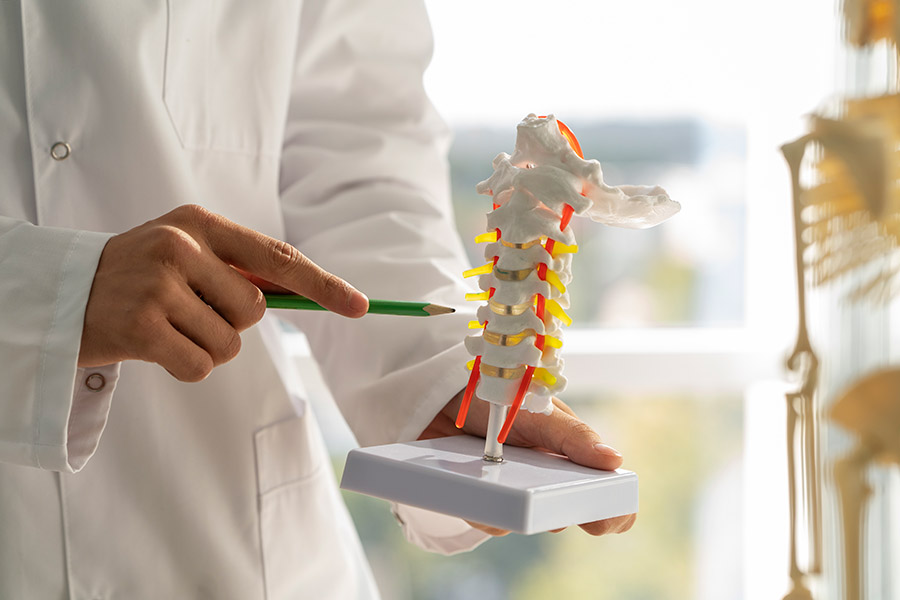
A neurosurgical intervention is a highly precise medical or surgical step designed to resolve severe nerve compression, chronic spinal instability, structural brain anomalies, or delicate neuromuscular disorders. Top-tier healthcare centres in India can schedule elective brain and spine procedures efficiently once basic diagnostic parameters and insurance checks are complete. If you are experiencing persistent neurological issues, this guide covers the crucial factors needed to identify the best neurosurgeon in Mumbai for your specialised care.
What Is a Neurosurgical or Complex Spine Procedure?
A neurosurgical procedure is a specialised operation performed to treat advanced diseases of the brain, spinal cord, and peripheral nervous system. Neurosurgeons are highly trained specialists who evaluate complex symptoms, ranging from cervical nerve compression to deep cranial tumours, and execute targeted interventions. Modern neurosurgery heavily utilises minimally invasive robotic systems, AI-enhanced 3D navigation, and endoscopic techniques to ensure faster recovery times, minimal muscle scarring, and higher surgical precision.
Because neurological conditions vary from simple day care pain relief to complex multi-level spinal fusions, specialists assess clinical history thoroughly before mapping out a surgical timeline. Top Mumbai hospitals, such as Hinduja Hospital and Kokilaben Hospital, utilise high-definition MRIs, neurophysiological monitoring, and high-resolution CT scans to assess physical readiness.
A standard neurosurgery package generally features:
- Pre-operative diagnostic profiling and anaesthesia clearance.
- Hospitalisation timelines ranging from 1 to 2 days (for day care procedures) up to 7 days for complex cranial operations.
- Advanced minimally invasive, robotic, or open surgical options.
- Post-operative physical rehabilitation, nerve monitoring, and lifestyle guidance.
Key insight: The use of tubular retractors in minimally invasive spine surgery prevents cutting the back muscles, significantly reducing post-operative pain and accelerating the return to normal activities.
Who Should Consult a Neurosurgeon?
Consulting a specialised neurosurgeon is recommended for individuals whose symptoms do not respond to basic pharmacological lines of treatment or those referred by general physicians for structural spine or brain abnormalities.
You are a suitable candidate for a neurosurgical consultation if:
- You have persistent lumbar radiculopathy requiring specialised slip disc treatment or endoscopic decompression.
- You experience progressive, irreversible limb weakness or numbness requiring advanced spinal stenosis treatment.
- You are seeking advanced Parkinson disease treatment like Deep Brain Stimulation (DBS) after medications lose efficacy.
- Your search for a ‘back pain doctor near me’ led to conservative therapy that ultimately failed to alleviate your severe, radiating nerve pain
- Your epilepsy treatment doctor has determined that your seizures are medication-resistant and you need surgical evaluation.
When Should You Avoid Delaying Spine Surgery?
Delaying essential neurosurgical interventions can cause chronic nerve compression to worsen, lead to permanent motor deficits, or compromise bladder and bowel functions. Treating a condition early prevents minor procedures from escalating into complex emergencies.
Avoid delaying your treatment if:
- Severe nerve root compression leads to "foot drop" or loss of lower limb motor control, requiring urgent microdiscectomy surgery.
- You experience Cauda Equina Syndrome (sudden loss of bowel or bladder control), which is an absolute surgical emergency.
- Progressive cervical myelopathy risks destroying the spinal cord tracts, leading to upper body paralysis.
- Intractable leg pain requires immediate sciatica pain treatment to prevent permanent nerve scarring.
Where Can You Find the Best Neurosurgeon in Mumbai?
You can book a comprehensive evaluation at specialised spine institutes, multi-speciality nursing homes, or large corporate healthcare institutions across the metroplex. Eastern and central zone residents searching for a ‘spine surgeon near me’ highlight top-rated regional institutions like Sushrut Hospital and Research Centre in Chembur. Facilities like this are equipped for minimally invasive spine procedures, reconstructive spinal surgeries, and 24-hour trauma care. This localised access, much like booking at larger multi-speciality hospitals in the western suburbs, significantly minimises travel strain during critical post-operative healing phases.
|
Facility Type |
Wait Time |
Best For |
|
Corporate Multispecialty Hospitals |
1 to 3 days |
High-risk cases, robotic spine fusions, skull-base surgeries, brain tumours |
|
Private Regional Hospitals & Clinics |
Few hours to 1 day |
Routine pain blocks, straightforward nerve decompressions, localised follow-ups |
|
Day Care Surgical Centers |
Same day to 24 hours |
Fast discharges, single-level endoscopic discectomies |
How Medical Portals Help You Compare Surgeons
Digital healthcare aggregation portals serve as convenient discovery tools rather than direct clinical providers. They allow patients to screen specialised professionals across Mumbai from a unified interface. You can review verified credentials (such as an MCh in Neurosurgery), look up clinical experience, cross-check institutional attachments, and evaluate patient testimonials.
While you might initially search for a “neurologist near me” for medical management, portals can help you pivot to finding the best neurosurgeon in Mumbai when an operation becomes necessary. The final clinical outcome, operating environment, and direct bedside care depend entirely on the physical hospital and the surgical team you select.
How Quickly Can You Schedule Your Surgery?
Most private institutions can coordinate elective spine and brain procedures within 24 to 48 hours after validation of diagnostic tests and insurance clearances.
- Initial Specialist Consultation (Duration: 30 to 45 minutes). The surgeon conducts a physical check, tests your reflexes and motor strength, and reviews symptoms alongside baseline diagnostic evaluations.
- Advanced Diagnostic Profiling (Duration: 2 to 4 hours). The patient undergoes specific imaging, such as a contrast MRI of the spine or brain, or electromyography (EMG) nerve conduction studies.
- Pre-Anesthesia Check (PAC) (Completed on the same day). An anesthesiologist evaluates cardiac logs, blood counts, and airway status to confirm general anaesthesia fitness.
- Securing Your TPA Pre-Approvals (Timeframe: 2 to 6 Hours). The hospital TPA desk coordinates documentation with the health insurance firm to verify cashless approval.
- Admission and Surgical Procedure (Scheduled within 24 to 48 hours). The patient gets admitted under fasting protocols, undergoes the procedure (often aided by neuro-navigation), and transitions to the neuro-ICU or recovery phase.
Fitness Requirements for Spine Surgery
Surgical clearance depends on stable cardiac parameters, well-managed metabolic factors, and clear visualisation on high-resolution MRI scans.
|
Criteria |
Typical Requirement |
|
Age Limitations |
Conducted across all demographics; geriatric patients may need detailed cardiac clearance |
|
Blood Pressure Balance |
Must be controlled within normal therapeutic ranges to minimise intraoperative bleeding |
|
Glycemic Index (HbA1c) |
Levels below 7.0% are strongly preferred to support clean wound and bone healing |
|
Coagulation Profile |
Intact bleeding and clotting times; blood-thinning drugs must be paused 3 to 7 days prior |
|
Bone Density (DEXA) |
Required for spinal fusion patients to ensure titanium screws can anchor safely |
Documents Required for Hospital Admission
Ensure these vital documents are organised digitally or physically for a seamless admission workflow at the billing counter:
- PAN card and Aadhaar card (or another valid government-issued photo identity proof).
- Direct medical prescription sheets and the official doctor's referral note.
- Latest diagnostic workups (e.g., MRI films, DEXA scans, specific blood panels).
- Active corporate or individual health insurance card alongside TPA e-cards.
- Corporate employee identification documents (if leveraging group health benefits).
Do You Know: Under the IRDAI Master Circular on Health Insurance, medical centres and insurance providers are legally mandated to process initial cashless pre-authorisations within 1 hour, and final discharge authorisations within 3 hours of receiving the final paperwork. This regulatory standard strictly cuts down administrative bottlenecks for complex spine surgeries, ensuring patients don't face unapproved out-of-pocket room costs due to delayed TPA clearance.
Health Metrics & Surgery Approval
Your overall baseline health directly scales your recovery speed and limits post-operative risks such as secondary spinal fluid leaks or surgical site infections.
|
Health Metric Status |
Estimated Surgical Risk |
Impact on Recovery & Healing |
|
Optimal Vitals & Clear Scans |
Low |
Accelerated healing, swift mobilisation, minimal post-op pain |
|
Controlled Chronic Conditions (Diabetes/BP) |
Low to Moderate |
Standard clinical recovery pathway with routine wound care |
|
Severe Osteoporosis |
Moderate |
Requires specialized expandable screws for fusions or longer brace wear |
|
Uncontrolled Diabetes or Hypertension |
High (Delay Advised) |
Increased risk of deep spine infection, failed bone fusion, or hematoma |
Surgery Costs, Consultation Fees & Hidden Charges
The financial commitment for a neurosurgical procedure in Mumbai depends on the surgeon's specialised tenure, the robotic or navigation equipment utilised, and the chosen room tier.
|
Charge Category |
Typical Cost Range in Mumbai (2026) |
|
Specialist Consultation Fee |
₹1,500 - ₹4,000 per consultation |
|
Surgeon's Core Operating Fee |
₹40,000 - ₹2,00,000+ |
|
Operation Theatre & Anaesthesia Fee |
₹30,000 - ₹80,000 |
|
Inpatient Room Rent (Per Day) |
₹4,500 (General Ward) to ₹25,000 (Private Suite) |
|
Surgical Consumables & Spinal Implants |
₹50,000 - ₹2,50,000 (Titanium cages/screws) |
Do You Know: Enforced by standard hospital billing laws and the NABH 6th Edition Standards (January 2025), institutions are legally required to provide a transparent, written cost estimate before admission. Always ask if costly titanium spinal implants or neuromodulation batteries are included in the base estimate.
Surgery Breakdown: Estimated Procedure Costs
Spine surgery costs scale based on structural complexity, the number of vertebral levels being treated, and the deployment of advanced precision instruments like tubular retractors or O-arm navigation. (Note: Costs are traditional open surgery vs. minimally invasive/robotic).
|
Procedure Type |
Traditional Open Cost (INR) |
Minimally Invasive / Robotic Cost (INR) |
Average Hospital Stay |
|
Single-Level Microdiscectomy |
₹1,20,000 - ₹1,80,000 |
₹1,80,000 - ₹2,80,000 |
1 - 2 Days |
|
Lumbar Laminectomy (Decompression) |
₹1,50,000 - ₹2,20,000 |
₹2,00,000 - ₹3,00,000 |
2 - 3 Days |
|
Spinal Fusion (TLIF / PLIF) |
₹2,50,000 - ₹4,00,000 |
₹3,50,000 - ₹8,00,000 |
3 - 5 Days |
|
Cervical Disc Replacement |
₹2,50,000 - ₹3,50,000 |
₹3,50,000 - ₹6,00,000 |
2 - 3 Days |
Discharge and Follow-up Rules
Discharge clearance is issued once the patient demonstrates stable vitals, manages pain on oral medication, can walk (with or without support), and shows no active cerebrospinal fluid (CSF) leakage.
- Review your discharge brief for specific instructions on wearing your lumbar corset or cervical collar.
- Schedule your follow-up check after 10 to 14 days for waterproof dressing removal or suture extraction.
- Avoid bending, lifting anything heavier than a water bottle, or twisting your spine (the "BLT" rule) for 4 to 6 weeks post-surgery.
Spine Surgery vs Non-Surgical Treatment Alternatives
Choosing an intervention path depends on whether your issue stems from temporary muscle spasms or permanent mechanical nerve compression.
|
Treatment Modality |
Average Recovery Timeline |
Structural Impact |
Invasiveness Index |
Primary Clinical Use Case |
|
Medical Management & PT |
Continuous usage cycles |
Reduces local inflammation |
None |
Early-stage disc bulges, muscular back pain |
|
Epidural Steroid Injections |
Same-day resolution |
Temporary nerve block |
Minimal |
Radiculopathy flare-ups, temporary sciatica relief |
|
Endoscopic Spine Surgery |
2 to 4 weeks |
Relieves local nerve pressure |
Low (Band-aid scar) |
Herniated discs, isolated spinal stenosis |
|
Complex Spinal Fusion |
3 to 6 months |
Stabilises spinal segments |
Moderate to High |
Spondylolisthesis, severe instability, scoliosis |
Common Mistakes Patients Make While Choosing a Surgeon
- Booking surgeries without checking if the neurosurgeon and the hospital are on their insurance firm's preferred cashless network.
- Relying on a quick 'migraine specialist near me' search for surgical advice, instead of consulting a dedicated neurosurgeon for structural skull or spine issues.
- Selecting a doctor based strictly on proximity rather than checking their specific surgical outcomes for high-risk spinal fusions.
- Discontinuing post-operative physiotherapy, which is essential to rebuild core strength and support the healing spine.
Why Surgeries Get Rescheduled
- High blood pressure values were recorded on the morning of the procedure due to anxiety.
- Failure to stop blood-thinning medications (like Aspirin or Clopidogrel) at the correct time, risking epidural bleeding.
- Discovery of active urinary tract infections (UTIs), which can spread bacteria to the spinal hardware.
- Accidentally consuming liquids or solid food during the strict 6 to 8-hour NPO (fasting) window.
Tips to Improve Your Surgical Outcome
- Work with a trusted neck pain specialist or spine surgeon early on so conservative treatments are properly documented for insurance approval.
- Stop smoking at least 4 weeks prior to a spinal fusion; nicotine severely inhibits bone growth and increases the risk of fusion failure.
- Keep clean digital copies of all diagnostic MRIs, X-rays, and EMG reports easily accessible.
- Prepare your home environment by removing tripping hazards, installing grab bars, and placing daily items at waist height to avoid bending.
Safe Patient Practices
- Progress to surgical paths only after understanding the structural issue, the exact nerves involved, and potential alternatives.
- Evaluate the complete operational quote (including implant costs) from the hospital admissions office instead of focusing solely on the baseline doctor fee.
- Read the comprehensive medical consent forms provided by the clinical team prior to final signature placement.
- Maintain a steady partnership with your primary neurosurgical team rather than shifting care mid-way through post-op recovery.
Do You Know: Under standard NABH clinical guidelines (6th Edition) and international standards, accredited medical centres must execute cross-speciality safety frameworks. For example, if a complex spinal fusion is planned for an elderly patient, the primary neurosurgeon collaborates in tandem with a cardiologist and pulmonologist during the PAC to ensure maximum intraoperative safety.
When You Should Seek a Second Opinion
- If an extensive multi-level fusion is recommended without first attempting or discussing less invasive decompression options.
- If you feel rushed into scheduling a major elective spine surgery without a transparent breakdown of the exact MRI findings.
- If your pain symptoms do not match the MRI findings explained by the doctor.
- If the clinician avoids discussing possible post-operative complications like adjacent segment disease or the realities of the recovery period.
Spine Surgery: Myth vs Fact
Myth: Spine surgery is highly dangerous and usually results in wheelchair dependency.
- Fact: With modern neuromonitoring, high-definition microscopes, and robotic navigation, the risk of paralysis in elective spine surgery is extremely low, and success rates are remarkably high.
Myth: Laser spine surgery is the newest and most effective method.
- Fact: "Laser" is often used as a marketing term. The gold standard for minimally invasive spine surgery uses microscopic or endoscopic instruments, not just lasers, to safely remove compressive tissue.
Myth: You must stay in bed for weeks after spine surgery.
- Fact: Early mobilisation is crucial. Most patients are encouraged to stand and walk within 12 to 24 hours of surgery to prevent blood clots and promote healing.
Do's and Don'ts Before and After Surgery
Do:
- Adhere strictly to the pre-operative fasting rules provided by your medical care team.
- Arrange for a family member or friend to coordinate your transport and assist with home care for the first week.
- Execute your prescribed walking routines exactly as outlined by your physiotherapist.
Don't:
- Hide regular medications, herbal supplements, or past anaesthesia reactions from the clinical team.
- Ignore signs of rising fever, sudden severe leg pain, or clear fluid discharge from the incision site.
- Bend, lift, or twist forcefully until your specialist confirms the spinal structures have fused or healed.
Key Takeaways
- Neurosurgical procedures correct deep-seated structural nerve compressions and instabilities that standard medications cannot resolve.
- Surgical safety depends heavily on baseline health metrics, notably clear high-resolution MRIs, managed blood pressure, and strong bone density.
- Total costs in Mumbai are heavily influenced by the selected hospital room tier and the use of specialised titanium implants or robotic tech.
- Minimally invasive options reduce muscle trauma, leading to shorter hospital stays, less bleeding, and faster rehabilitation.
- Prioritise a specialist's experience with complex nerve procedures at verified regional institutions (such as Sushrut Hospital, Chembur) or large corporate healthcare networks over convenience alone.
Conclusion
Undergoing a complex spine or neurosurgical procedure can significantly enhance your quality of life by restoring motor function, eliminating chronic radiating pain, and preventing permanent nerve damage. Proper preparation, understanding the financial parameters regarding implants, and choosing a specialist you trust are key to a smooth experience. Whether you require advanced brain tumour management, targeted endoscopic decompression, or robotic spinal fusion, choosing the best neurosurgeon in Mumbai ensures maximum clinical clarity and safety throughout your recovery journey.
FAQ
No. Neurosurgeons require clear, recent diagnostic MRIs (usually less than 3-6 months old) to identify exact anatomical issues and ensure your spinal cord is safe to operate on.
Most patients can resume light office tasks and walking within 1 to 2 weeks post-procedure. However, complete healing of the disc annulus typically takes 6 to 12 weeks, during which heavy lifting must be avoided.
You can search trusted regional hospital lists, read patient experience reviews on digital platforms, or request a trusted referral from your primary orthopaedic or general physician.
Dedicated spine institutes and specialised neuro-suites within large corporate hospitals generally handle complex admissions and neuro-ICU transitions better than generic emergency facilities due to their specialized infrastructure.
Pre-authorisations for planned elective procedures usually clear within 24 hours. However, approvals involving high-cost titanium implants may require additional justification from the surgeon.
Yes. Prolonged nerve compression can cause permanent nerve death (neuropathy), turning temporary weakness into an irreversible motor deficit.
Premium consumable tools, such as imported artificial discs, pedicle screws, or bone graft matrices, are often billed separately from the base room and surgeon fees. Always request an itemised estimate from the billing office.
Not always. While endoscopic surgery is excellent for simple decompressions and single-level disc removals, complex multi-level fusions or severe scoliosis corrections often require open or traditional minimally invasive (tubular) approaches for maximum safety and stability.


 Book an Appointment
 Call: 022-69585500